Guides
Worth knowing about wine coolers
Choosing a wine cooler
A wine cooler isn't just a luxury for wine enthusiasts; it's a necessity to preserve the quality and flavour integrity of the wine and it also just presents the wine really well. In this guide, we'll go through important considerations you need to take into account when choosing a wine cooler.
Why invest in a wine cooler?
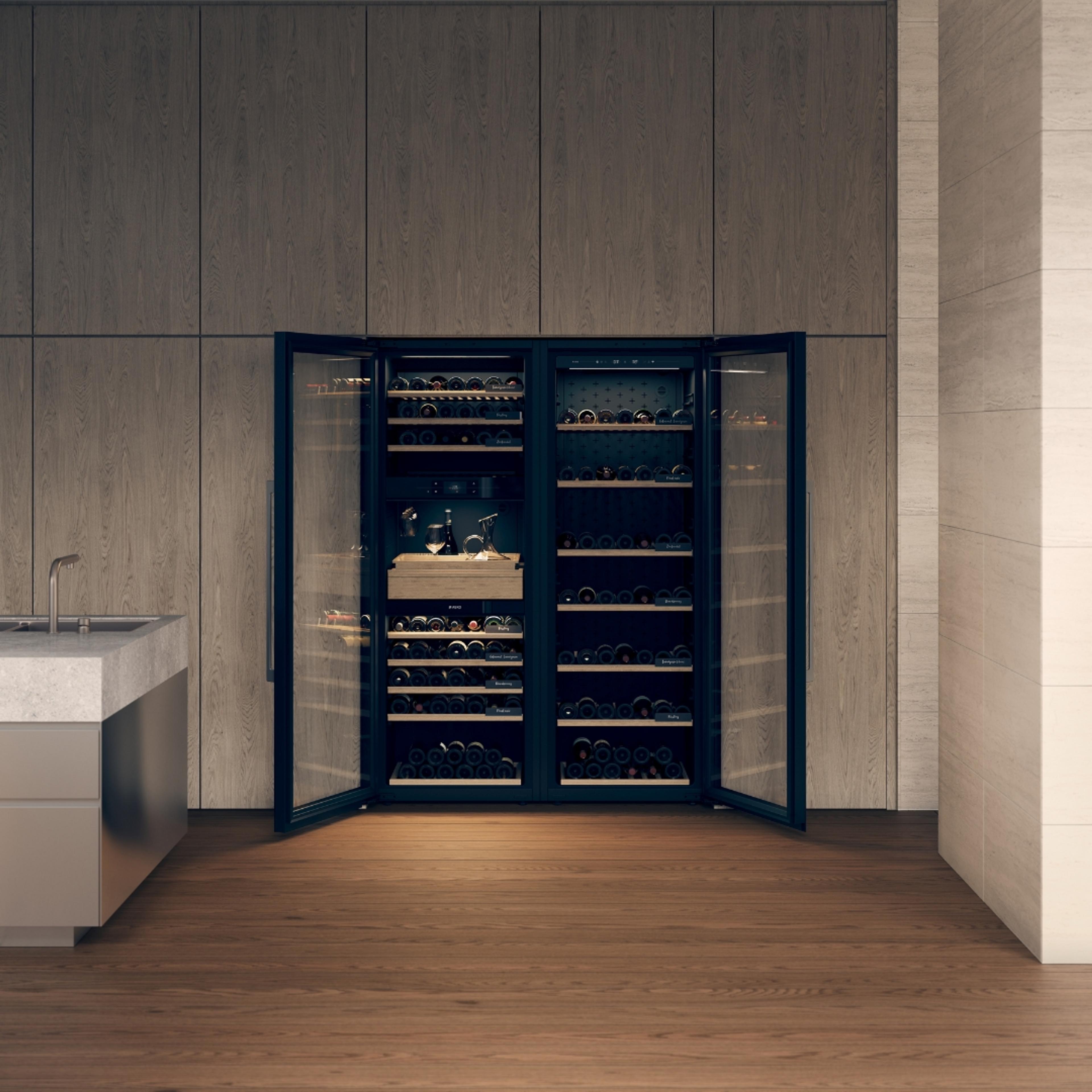
Wine coolers are designed specifically for storing wine, which distinguishes them significantly from ordinary refrigerators. A wine fridge ensures a stable and correct temperature, which is crucial for preserving the wine’s complex aromas and tastes. Without this stability, wines may lose their characteristics or age unnecessarily quickly.
A wine cooler not only maintains a constant temperature, it also protects against UV rays and minimises vibrations that can negatively affect the wine’s development. UV rays can degrade and change the chemical composition of wine, while vibrations can disrupt the sedimentation process in older wines.
Choose the right wine cooler for your needs
When choosing a wine cooler, it’s important to consider the number of bottles you want to store and where the wine cooler should be placed in your home. The size and design of your wine cooler should fit both your space and your lifestyle. Also consider energy efficiency and sound level, especially if the refrigerator is to be placed in an open space, living room or kitchen/living room.
Basically, it’s about which wine cooler is best for you and your needs.
For example, if you need ready-to-serve wine for your guests, a wine cooler with two zones may be the preferred choice over a wine cooler with only one zone.
Here’s a handful of good advice on choosing the best wine cooler for your needs.
Long-term storage, ready-to-drink or both?
How many zones should your wine cooler have?
The number of zones matters in relation to the use of your wine cooler.
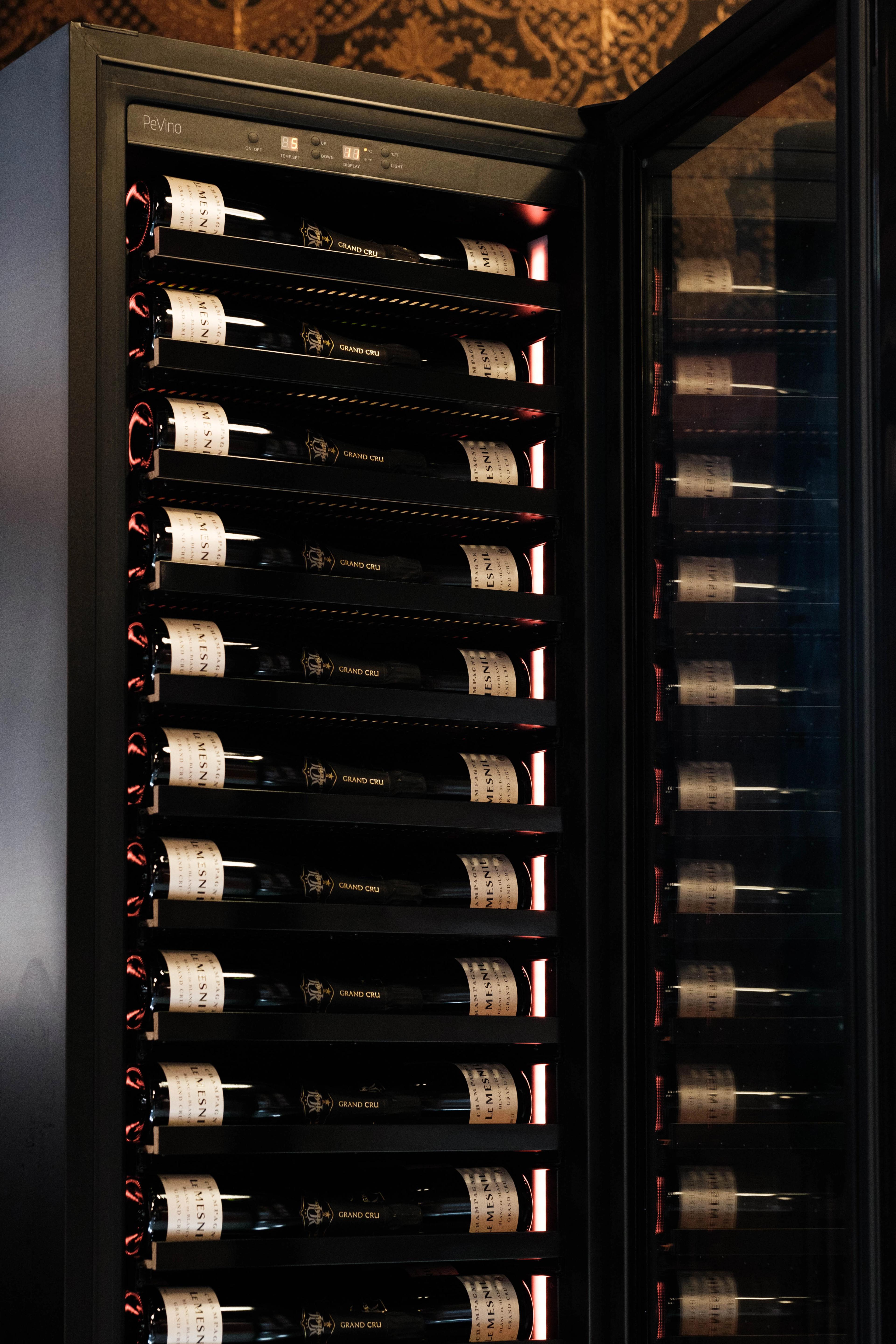
You need to consider what you want to use your wine cooler for! If you want to use the wine fridge for ripening and long-term storage of wine, a single-zone wine fridge may be the best choice, as most wines mature optimally at a stable temperature of 12–14 °C. This applies to red wine, white wine, sparkling wine and dessert wine.
If, on the other hand, you want ready-to-serve wine for you and your guests, it can be a good idea to consider a wine fridge with two zones. In a wine fridge with two zones, one zone can be set to be colder than the other, which allows you to have white wine and sparkling wine in the fridge at 6–8 °C, for example, while your red wines are at 14–16 °C in the other cooling zone.
Another option is a wine cooler with multi-zone. This type of cabinet gives you greater flexibility as it offers multiple temperature zones within the same cabinet, ideal for both maturing and serving. A multi-zone model does not have a clear division between the zones, but a fluid transition from the hottest at the top to the coldest at the bottom.
Freestanding, built-in or integrated wine cooler
Where should your wine cooler be placed?
Location matters in terms of noise and energy consumption.
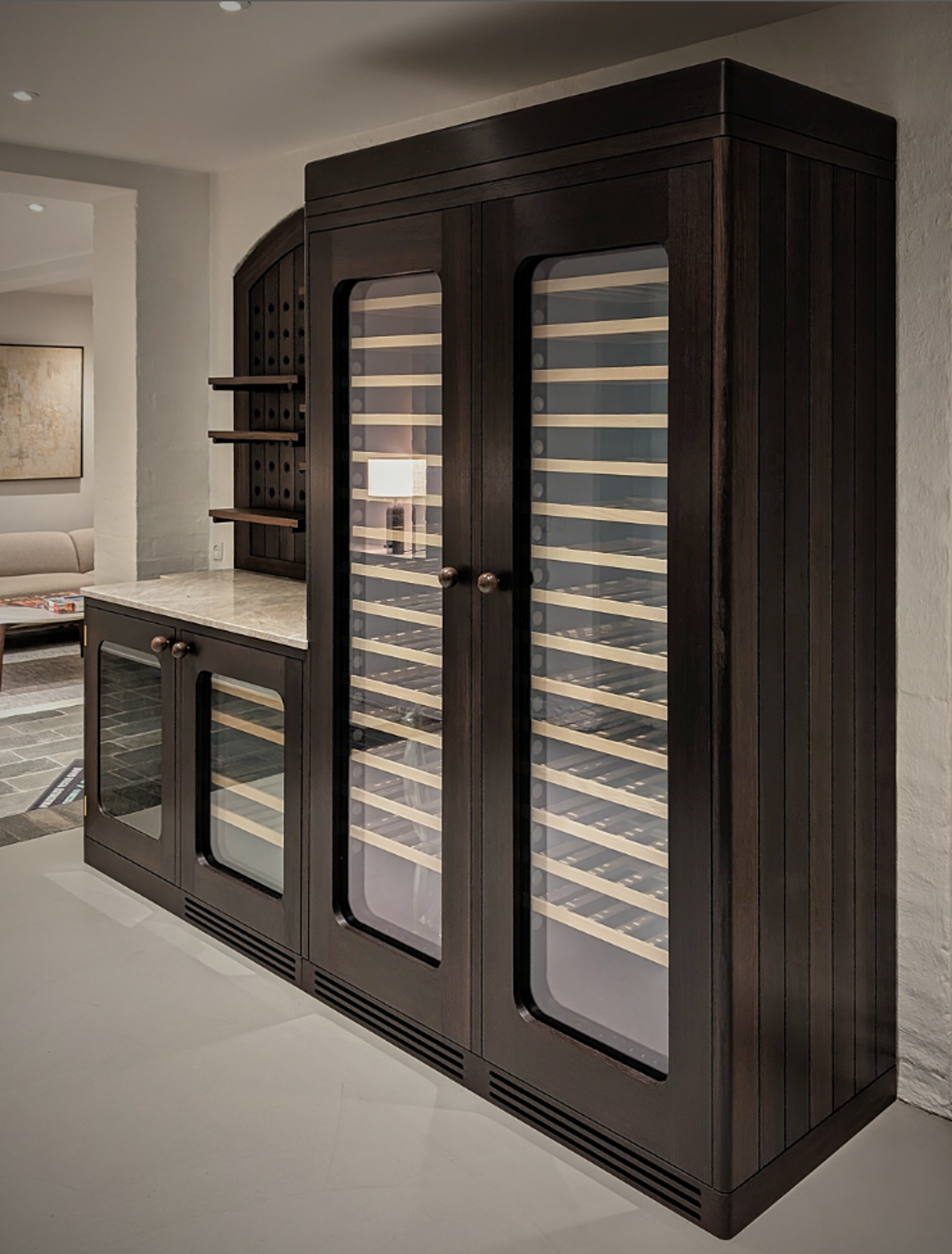
As the name suggests, a freestanding wine cooler can be placed freely on the floor. This is the most common way to place a wine cooler, and the vast majority of all wine coolers on the market can be placed this way. It is important that you make sure that there is a few centimetres of air on each side of the wine cooler so that the wine cooler can get rid of the heat.
A built-in wine cooler allows you to replace an ordinary kitchen unit with a wine cooler. If you choose to buy a built-in wine cooler, it is important that you choose one that is prepared for it. Typically, this means that the wine cooler must have an intake at the base.
An integrable wine cooler is designed to be integrated into an existing kitchen unit, which is a very attractive solution in a modern kitchen. The door of the wine cooler has the same width as the kitchen module to cover the sides of the kitchen cabinet, while the rest of the wine cooler is narrower so that it fits into the existing kitchen module. As with the two other types of wine coolers, it is important that the warm air can escape from the integrated wine cooler. It is particularly important that the air can leak out at the rear and upwards to free passage at the top of the cabinet. Also make sure to have an air intake at the bottom of your kitchen cupboard, for example by installing a grille.
Wine cooler in the kitchen
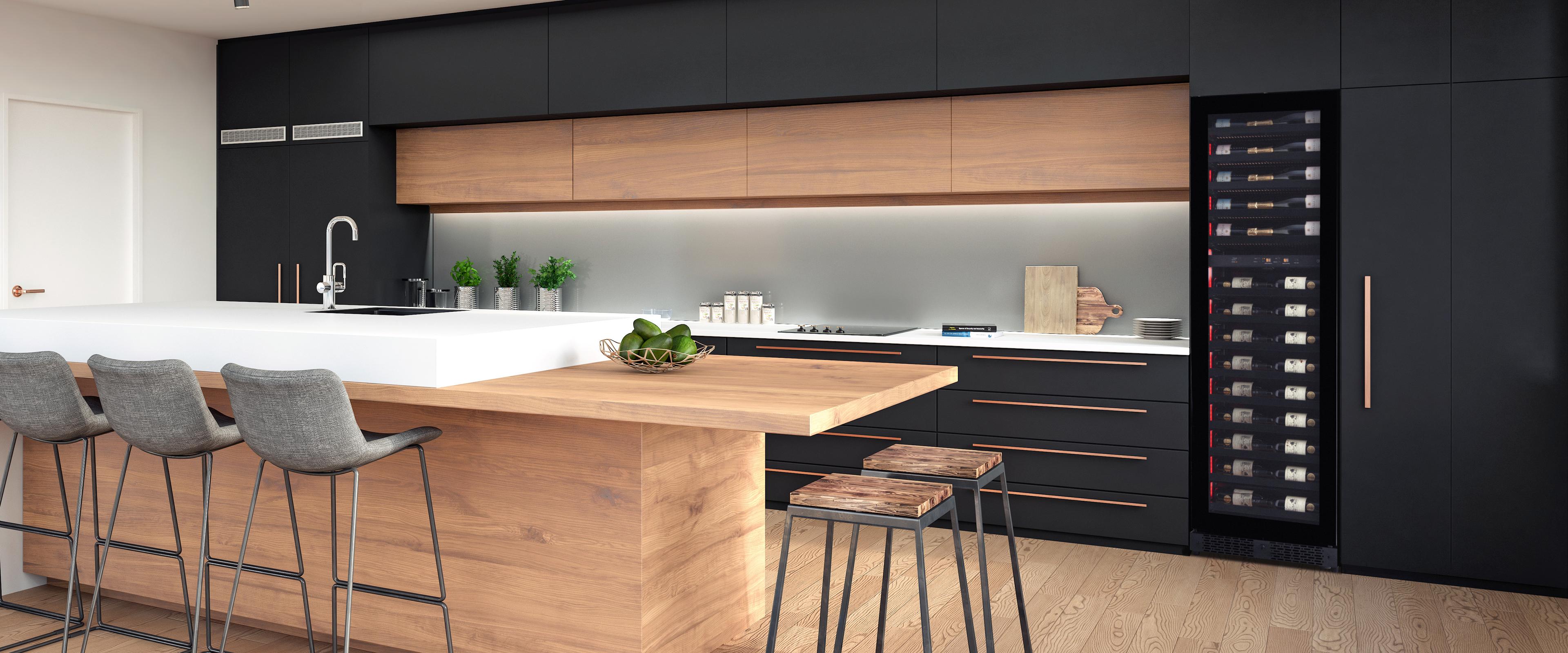
When you plan a wine cooler in the kitchen, we always recommend starting with the kitchen’s layout and precise measurements. Kitchen solutions are not all the same, and there can be differences in door heights, cabinet dimensions, and plinth heights depending on the manufacturer and origin. Although many manufacturers work from typical standards, there are still variations – including between Northern European, Central European, and Southern European kitchens, as well as in manufacturers’ design philosophies and modular constructions.
Once you have an overview of the measurements in your kitchen and the space available, you can begin to consider which type of placement best suits your needs.
If you are considering integration into the kitchen, it is important to distinguish between an integrable wine cooler and a built‑in wine cooler. The difference between the two options lies in the size and placement of the cabinet. Both variants offer the possibility of installation with your own kitchen door that matches the rest of the kitchen or installation with the wine cooler’s own door, depending on the model.
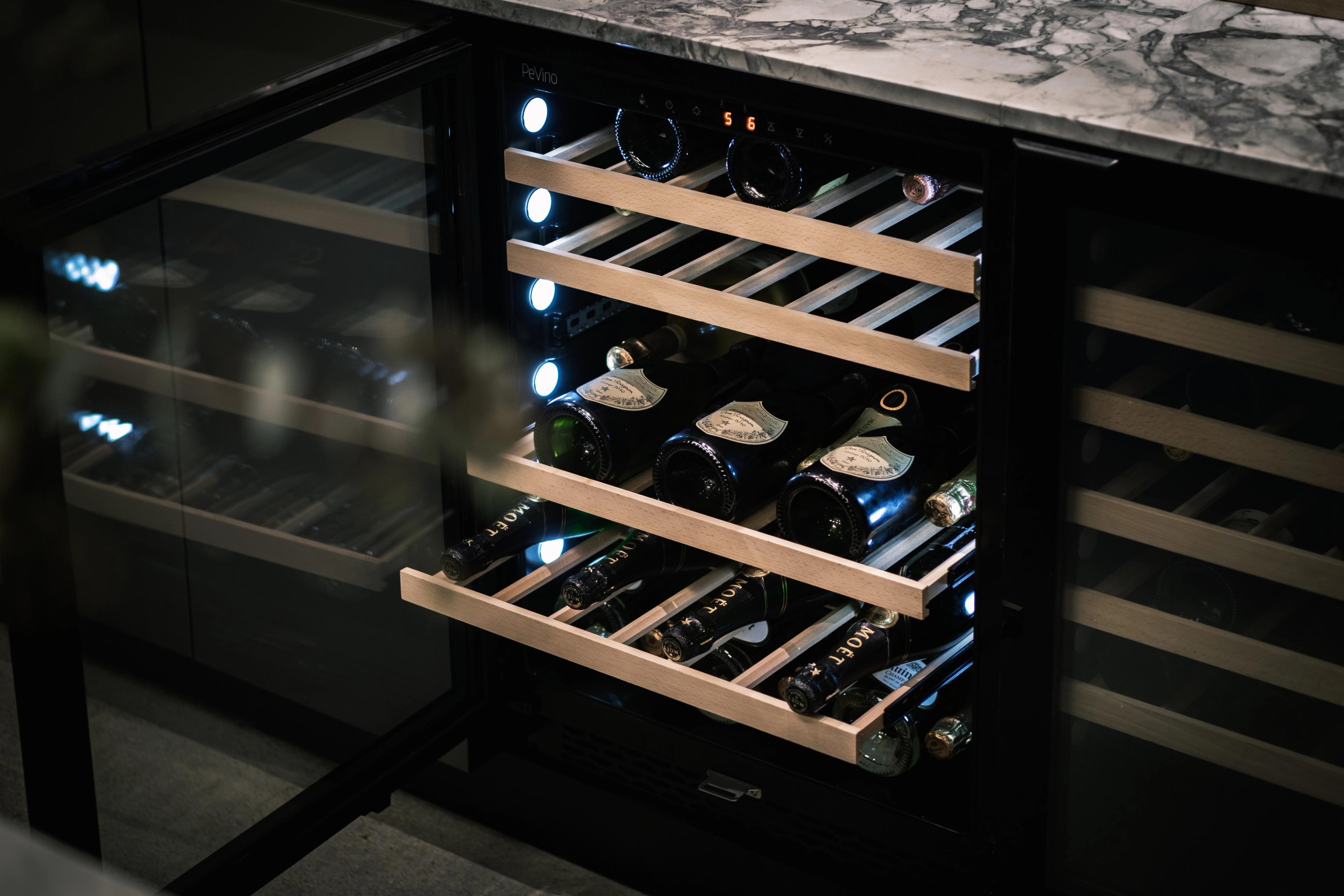
If the wine cooler is to be placed under the countertop, height is crucial, as even a few millimetres can be the difference between an optimal fit and a less suitable solution. That’s why we offer wine coolers in several different heights and fits, so you are assured a solution that fits perfectly into your kitchen.
In addition, you should take into account ventilation, handle solutions, and whether the wine cooler should be discreet in the kitchen design or function as a visible design element. With proper planning, you ensure not only a harmonious kitchen but also optimal storage conditions for your wine – just as it deserves.
When you receive your wine cooler
If you have chosen to collect your wine cabinet yourself, it is important that you leave it upright during transport.
In some cases, the compressor/cooling system may be damaged if it has been lying down during transport. We therefore recommend that you have the cabinet delivered by our haulier, who can transport the wine cabinet upright throughout the entire journey.
Wait to turn on the wine cabinet
Once you have your wine cabinet in place, wait 24-48 hours before connecting the power to the cabinet. It is important that the wine cabinet is allowed to stand still after it has been transported, as the cabinet needs to acclimatise. It is also important that the cabinet is completely level. If necessary, use the waiting time to fill the first bottles into your wine cabinet, if necessary fill the bottles for several days. We recommend that the wine refrigerator is always at least 80% full.
All our wine coolers come with a so-called Schuko plug, which is the standard in most countries in Europe. This is a 2-pin plug with side ground.

There are always bubbles in the fridge
Choosing the right wine cooler is an investment in your wine collection. With the right equipment, you can ensure that each bottle of wine retains its intended taste and quality, as intended by the winemaker. Take the time to evaluate your needs and the features available to ensure you make the best choice for both you and your wines.
We have trained staff ready to assist you in this process. Visit us in one of our showrooms or contact our cute customer service.
Cheers to new wine experiences.